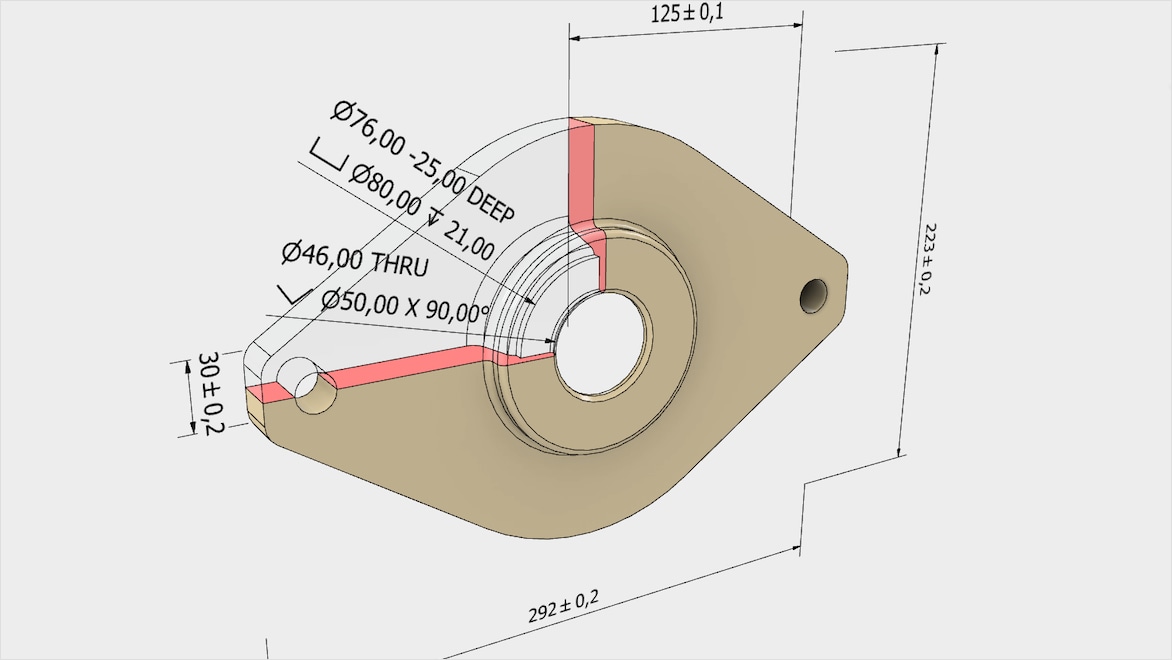
GD&T standards revolutionized how we approach design compared to older methods, which relied on linear dimensions and lengthy notes.
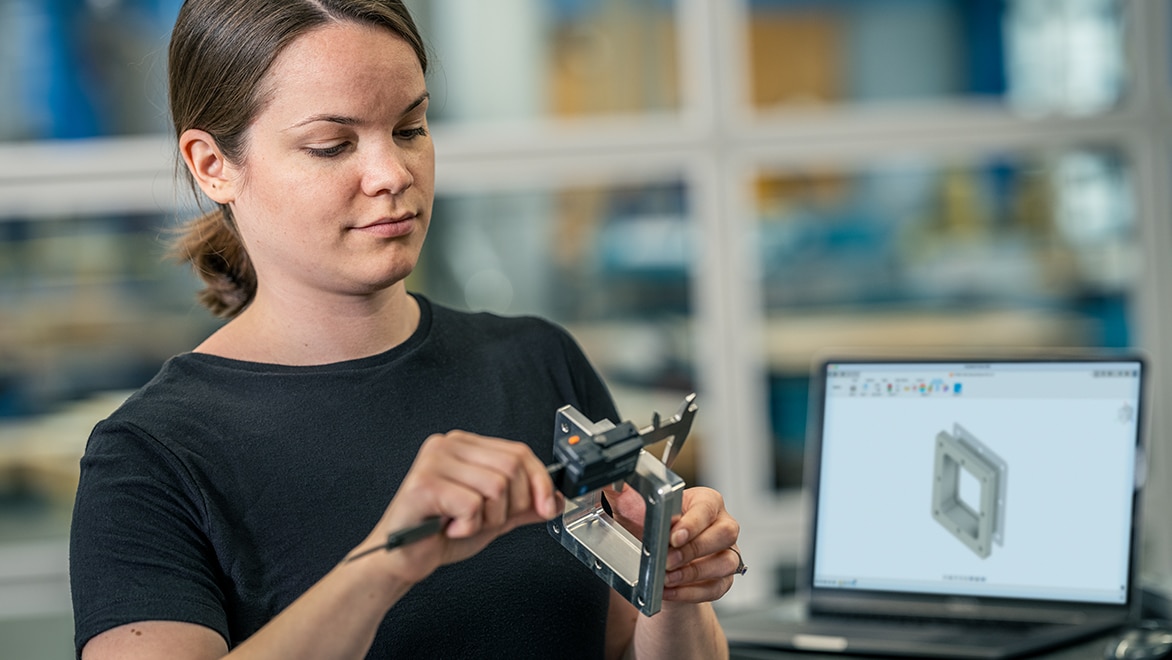
By clearly defining both design intent and inspection requirements, GD&T offers unmatched precision and efficiency. When you and your team understand how to use and interpret GD&T, it becomes a powerful tool for transparent communication across all disciplines.
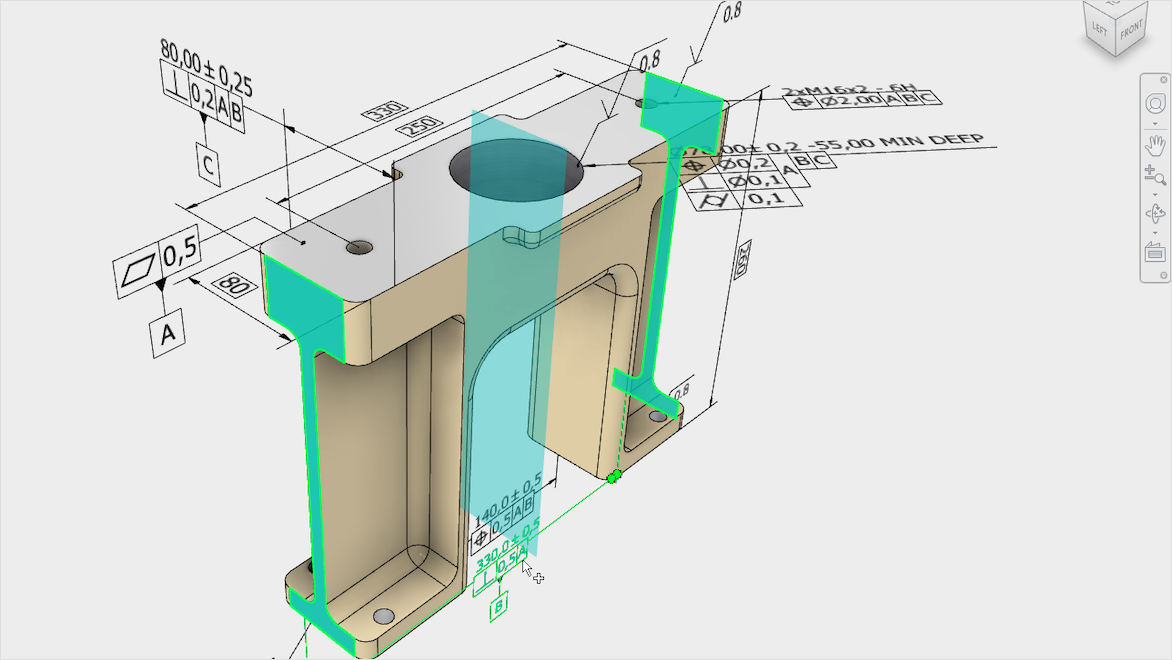
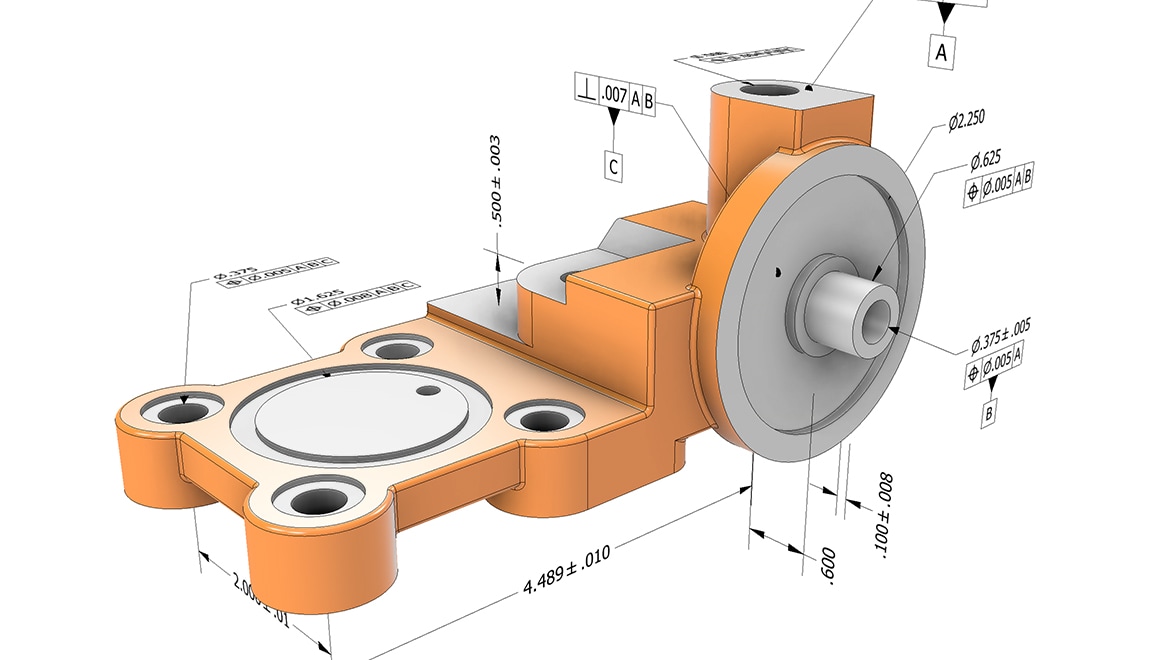
Current GD&T often embeds directly into 3D models through software so you can easily relay design details. Standard-conforming GD&T must include “semantic” tolerances, meaning it follows the logic of the ASME and ISO standards. While GD&T software might not enforce all these rules, it’s up to you to annotate your designs accurately to achieve the best results.
Even with the complex geometries of generatively designed parts, GD&T remains valuable. You can use it to create features that connect to other parts and define them with standard geometric shapes and datums.
CAD models are theoretically perfect, but real-world parts can never be flawless. GD&T sets acceptable tolerance ranges to ensure parts fit and function properly without the extra costs of tighter tolerances. Well-enacted GD&T can improve quality, cut costs, and accelerate time to market, synchronizing the efforts of designers, machinists, and QA with clear, symbolic language.