2D drawings have long been the cornerstone of product development, capturing design intent and manufacturing details. But as products and assemblies became more complex, this traditional method began to fall short.
Producing and interpreting 2D drawings requires significant time, skill, and experience. They can be prone to misinterpretation, leading to costly production, delays, rework, and material waste.
Enter MBD. Driven by the need for tighter tolerances and higher precision—especially in demanding industries like aerospace—MBD was codified in the 2003 ASME Y14.41 Standard “Digital Product Definition Data Practices.”
This standard, backed by industry leaders such as Boeing and General Motors, introduced a new way to capture and communicate product data: placing all necessary information within the 3D CAD model.
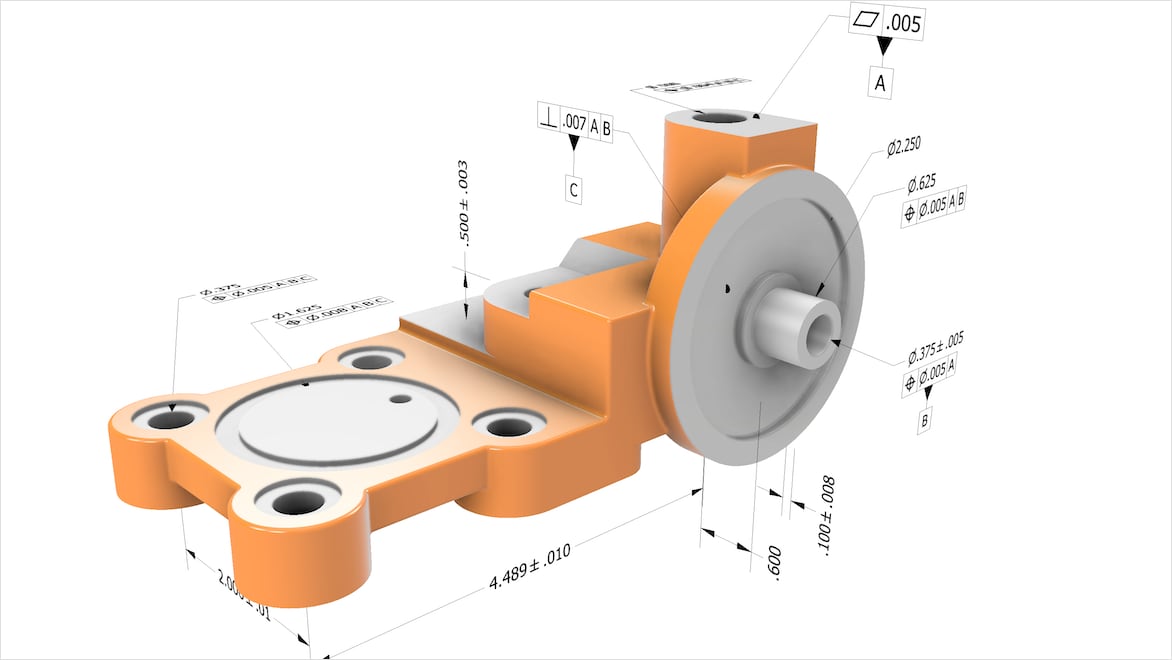
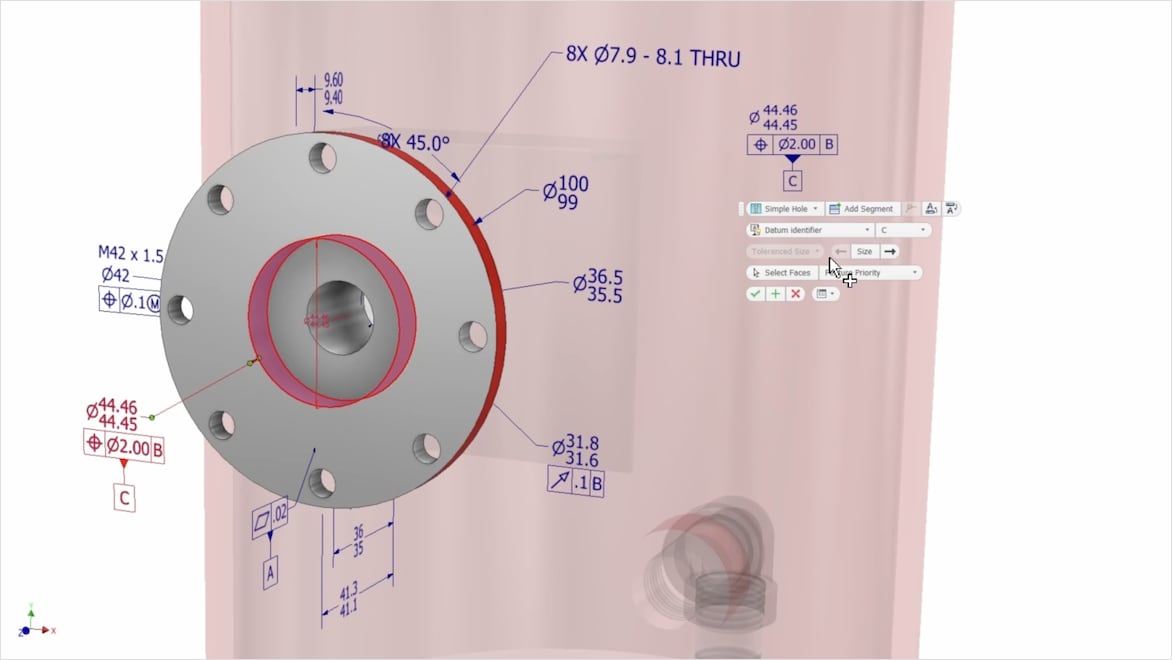
MBD eliminates the need for separate 2D drawings by integrating geometric dimensioning and tolerancing (GD&T), materials, configurations, and more into one accessible 3D model. Manufacturing your products becomes more accurate, and you can provide stakeholders with a clear, unambiguous source of truth.
Modern MBD software builds on this foundation, making it easier than ever to implement standardized, universally understood annotations within 3D models.
Product data management (PDM) systems take this a step further by securely managing your model’s revision. This ensures that everyone involved—from designers to manufacturers—has access to the right information at the right time.
By automating manual processes and relying less on 2D drawings, MBD massively shortens your development cycles. According to one NIST study, MBD can cut the design-manufacturing-inspection process by up to 75%.
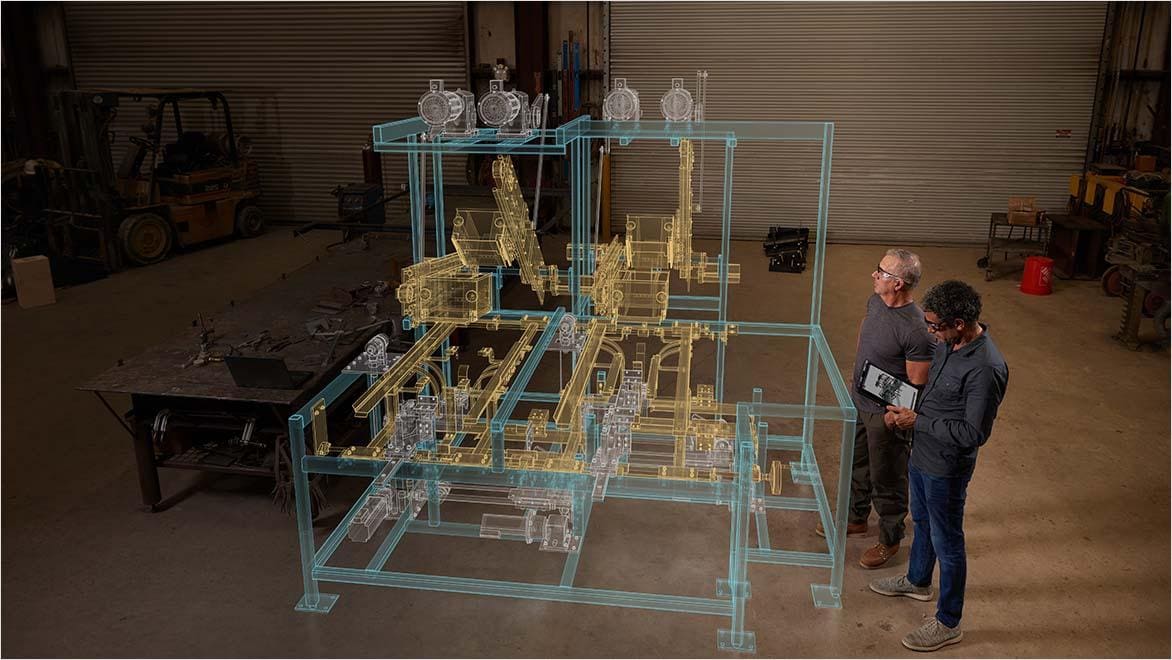
As a result, MBD is now fueling the rise of model-based enterprises (MBEs). Companies use the more efficient approach to optimize operations across internal teams, suppliers, and partners.