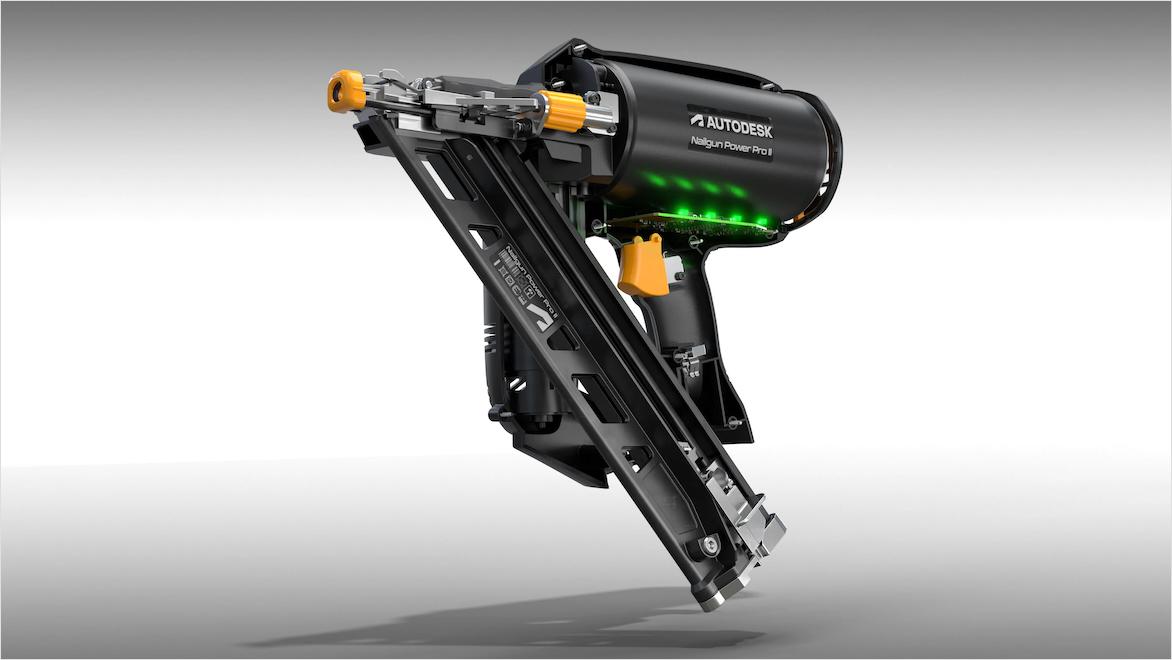
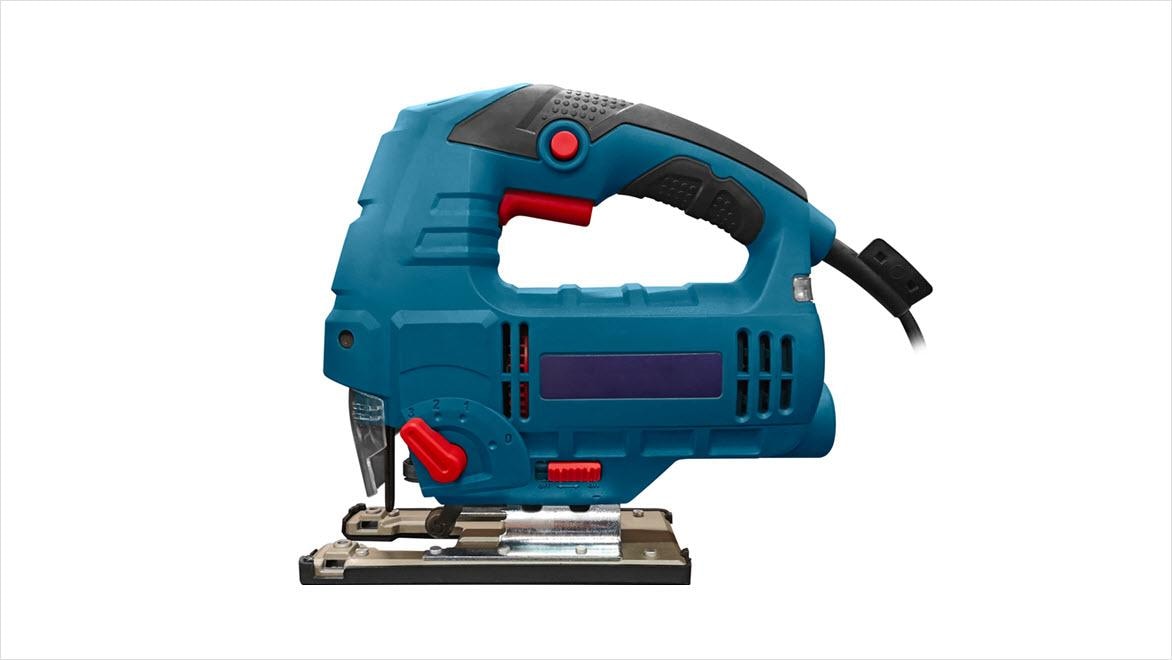
Power tools have a long history, with many of the major manufacturers dating back to more than 100 years ago in the late 19th or early 20th centuries. However, their long-established businesses do not immunize them from modern challenges. One major challenge is understanding what new trends and technologies their customers want and investing in research and development to satisfy those desires.
Recently, power tools customers have gravitated toward lightweight cordless tools with a high degree of reliability and energy efficiency. That requires moving away from traditional power tool designs that used brushed motors, where the current-passing carbon brushes caused friction with the commutator. This friction reduced energy efficiency to about 80% and eventually broke down the motor.
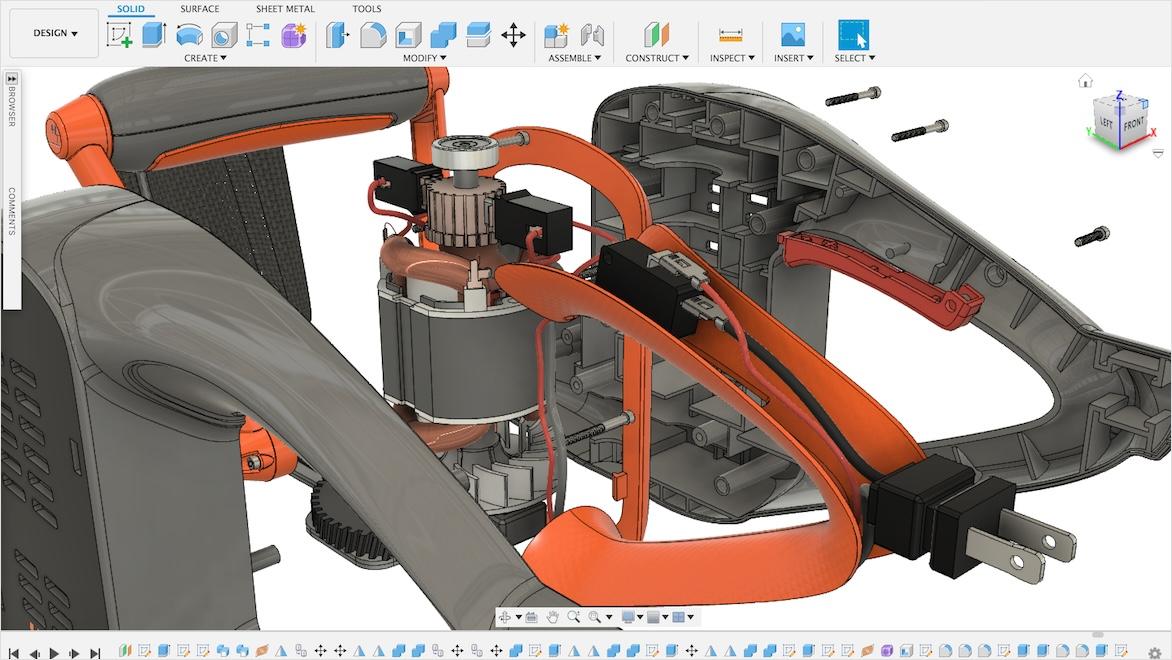
To sidestep that problem, brushless direct current (DC) motors electronically produce the revolving magnetic fields power tool motors use, with no friction between the rotor and stator components. That frictionless operation yields more reliable motors and increases energy efficiency to as much as 96%. This technology also creates design and engineering challenges, as it requires a microcontroller chip to align the magnetic field, which adds space and cost to the power tools’ design. But as power tool design becomes more complex to keep up with customer demand, Autodesk’s CAD and CAM solutions, which combine mechanical and electronics design with manufacturing workflows, can become the power tool software of choice.
Power tool manufacturing has also become more complicated as power tool design has grown in sophistication. Yet again, developing technologies offer solutions. For example, additive and subtractive manufacturing processes like 3D printing and CNC machining make power tool prototyping faster and more cost-effective. New materials offer better performance in durability and user ergonomics. And smart manufacturing makes use of automation and artificial intelligence (AI) to make power tools manufacturing more flexible and efficient. Power tool manufacturers are even utilizing AI’s potential to improve the tools themselves by infusing performance-enhancing AI into the tools’ system-on-a-chip (SOC).